INDUSTRIAL DESIGN

Creating successful products for a wide range of industries in national and international markets with start-up entrepreneurs and multinationals has resulted in a broad experience of the varied needs of manufacturers in many industry areas with a portfolio to match.

needs and wants animation

INCEPTION

Project management begins with the brief.  An assessment of needs and wants, of possibilities and ambitions.

Involving designers during the generation of the brief helps to reveal possible development options and avoid future pitfalls. A feasibility study can be used to review the broader scope of the new project, what new developments, materials or processes might be used or to analyse the existing products - what works, what doesn’t, where the costs arise, how the product is serviced etc.

concept sketches

CONCEPTS / IDEATION

Exploring the brief and going through a process of ideation is the most crucial stage of any project. It is where most of the groundwork is done, where ideas are proposed, discarded or put aside for future reference.

The most effective design is often a combination of many ideas that fit together from a range of influences, sketches, models and CAD mockups. New ideas, explorations and insights feed into the project inspiring new directions within the remit of the brief.

Robot CAD worker

DEVELOPMENT

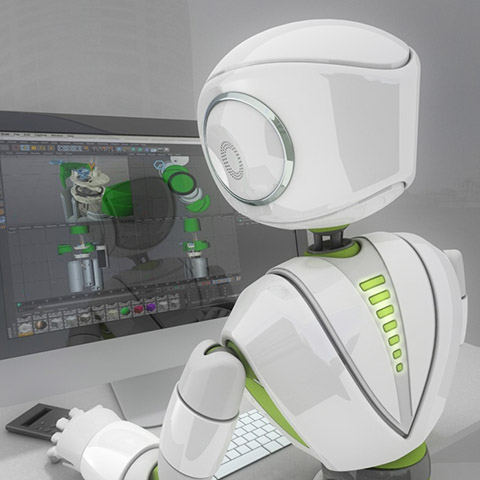
Seeing a product through from concept to production can involve many lines of communication. BIB Design makes extensive use of 3D CAD systems to allow all parties concerned to obtain a clear picture of the product as it develops.

3D visualisation can quickly establish the proposed aesthetic whilst animations can be generated for presentational purposes. 2D and 3D CAD data is supplied for manufacturing means and for patent applications.

Components

PRODUCTION

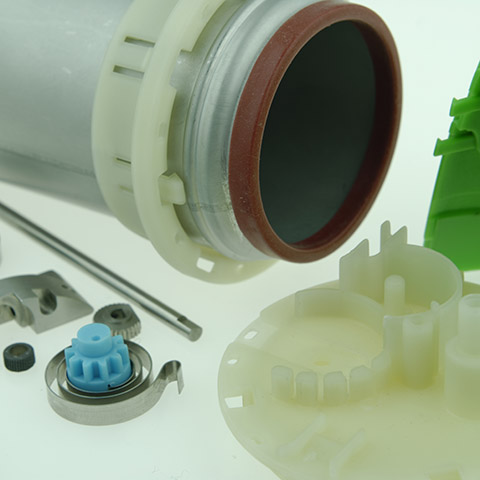
Rapid prototyping direct from CAD files ensures that as many parts as possible can be tested for mechanical suitability, to assess assembly issues or ergonomics prior to tooling investment.

Working across a broad spectrum of industries has enabled BIB Design to develop innovation led thinking by creating links with specialist businesses. This has assisted in the successful introduction of technology, new materials or processes from one field of expertise to another